

The waiting area of a dermatology clinic looks less like a medical facility and more like a small social ritual on a calm afternoon. Two women are comparing notes about their last appointment, one scrolling through photos of her skin “before and after.” The receptionist gives a knowing nod. Clients of HydraFacial frequently come back. frequently swiftly.
A strange loyalty has developed as a result of the treatment. According to dermatology clinics, millions of HydraFacial procedures are performed annually, and the number continues to rise. The dedication may seem unexpected for a facial that takes less than an hour. However, observing the consistent flow of appointments—lunch-break visits, pre-wedding reservations, regular monthly sessions—makes it easier to understand why people keep returning.
| Category | Details |
|---|---|
| Treatment Name | HydraFacial |
| Type | Non-invasive medical-grade facial treatment |
| Core Technology | Vortex-Fusion cleansing and serum infusion |
| Average Session Time | 30–60 minutes |
| Annual Procedures | ~3.5 million worldwide |
| Common Benefits | Deep cleansing, hydration, smoother skin, brighter complexion |
| Typical Frequency | Every 4–6 weeks |
| Reference Website | https://www.hydrafacial.com |
Immediacy is where the appeal begins. Many cosmetic procedures ask patients to wait weeks for results, promising gradual change. HydraFacial operates uniquely. Skin typically appears noticeably brighter after the session. Pores are more visible. There is a smoothness that slightly alters how the light is caught. Dermatologists frequently refer to it as the “glass skin” effect, a term taken from Korean beauty culture.
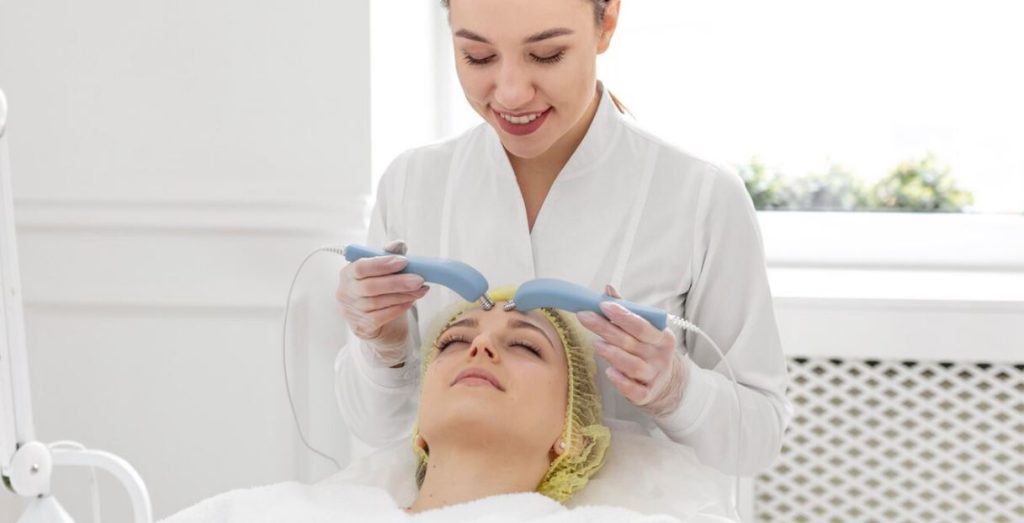
It’s a surprisingly mechanical process. Using what clinics call Vortex-Fusion technology—basically a controlled vacuum combined with liquid exfoliation and serum infusion—a portable device glides across the face. Hydrating substances like hyaluronic acid are injected into the skin, pores are cleared, and dead skin cells are eliminated. There is an odd sense of satisfaction when one observes the procedure in person. The practitioner works methodically across the forehead and cheeks while the machine hums softly.
The glow is a common post-treatment comment made by patients.
It’s hard to ignore how quick that shift feels. A person who walked in looking slightly tired emerges with skin that seems hydrated, almost reflective under clinic lighting. Instant feedback has extraordinary power in a world where most beauty regimens require patience.
However, the devotion to HydraFacial most likely extends beyond immediate satisfaction. Compared to previous dermatological procedures, the treatment is mild. Laser resurfacing and chemical peels can sometimes leave skin peeling or red, and they can take days to heal. In contrast, HydraFacial seldom disrupts a routine. People leave the treatment chair and head straight outside to the street; makeup is optional but often unnecessary.
Additionally, a psychological rhythm is emerging around it. To roughly align with the skin’s natural renewal cycle, clinics recommend treatments every four to six weeks. The appointments become routine over time. Some patients compare it to maintenance, like getting a haircut, rather than a luxury.
Nevertheless, the term “addiction” is occasionally used in jest in beauty circles. However, the phrase contains a hint of truth. Usually, the glow lasts for five to seven days. The skin then gradually reverts to its natural texture. It’s hard to ignore the fading once someone has noticed the difference.
Customization could be another reason why customers come back. HydraFacial treatments can be customized with specialized “boosters” for different concerns—acne, pigmentation, fine lines, or dehydration. The serums vary, but the fundamental process stays the same. After examining the skin under intense clinical lighting, dermatologists frequently customize the formula.
The setting of a treatment room enhances the experience. Instruments made of stainless steel are arranged neatly on trays. The air is filled with the lingering scent of medical-grade skincare products. Equipment that resembles dermatology technology rather than spa décor exudes a quiet confidence.
Patients often look at their reflection in a small mirror or on their phone camera as they leave the clinic. There’s a little pause. Occasionally, a grin ensues.
The popularity of HydraFacial prior to weddings, photo shoots, and major events is likely due to this response. Unlike more aggressive procedures, it produces predictable results. According to dermatologists, consistency is important. In contrast to traditional facials, where technique plays a major role in the outcome, the machine standardizes much of the procedure.
There is, of course, some skepticism. Some dermatologists warn that the glow may be fleeting and more aesthetic than therapeutic. Regular treatments won’t replace medical care for more serious skin problems, but they may eventually improve texture and hydration.
However, it’s difficult to overlook the procedure’s cultural momentum. Glowing post-treatment selfies abound on social media. Clinics market the facial as a fast reset for tense skin. Additionally, it is rare for the appointment books to remain empty for very long.
The true explanation might lie somewhere between psychology and science. The procedure has real dermatological benefits, including pore cleaning, skin hydration, and texture smoothing. However, the visible glow is just as potent.
One thing becomes evident as the pattern develops in clinics. These days, HydraFacial is more than just a skincare procedure. It has subtly turned into a ritual for a lot of people, one that keeps them coming back in search of that distinctive glow.
