

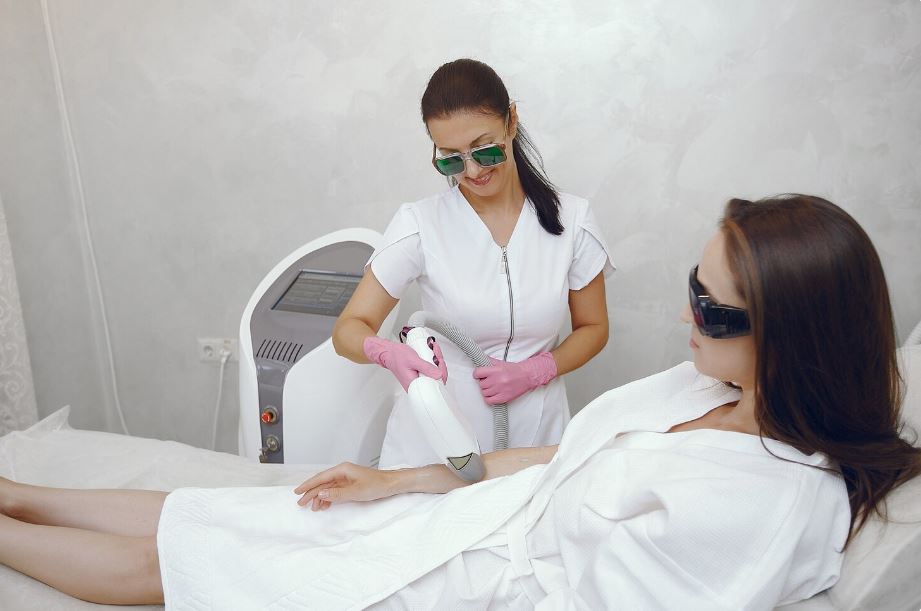
On a weekday morning inside a laser clinic, the waiting room feels oddly mixed. A cyclist wearing compression shorts uses his phone to browse through training data. A woman looks at her schedule while carrying a large wedding binder under her arm. Between appointments, a professionally dressed person is responding to emails in the room. It appears haphazard at first. The receptionist, however, doesn’t appear shocked.
A unique group of people attends laser sessions. Ten years ago, laser hair removal was considered a high-end procedure. Something only celebrities or beauty enthusiasts with large skincare budgets can afford. Although it hasn’t completely vanished, that perception is undoubtedly changing. Nowadays, clinics report that busy professionals, athletes, and brides are scheduling treatments almost as urgently as if they were scheduling a dental cleaning instead of a cosmetic procedure.
| Category | Details |
|---|---|
| Treatment | Laser Hair Removal |
| Type | Non-invasive cosmetic procedure |
| Average Sessions Needed | 6–8 treatments for significant hair reduction |
| Estimated Hair Reduction | Up to 80–90% after full treatment cycle |
| Common Users | Up to 80–90% after a full treatment cycle |
| Treatment Interval | Every 4–6 weeks |
| Typical Technology | Alexandrite, Diode, or Nd: YAG laser systems |
| Reference Website | https://www.aad.org/public/cosmetic/hair-removal/laser-hair-removal |
Convenience is a common theme among the different reasons. Physical rather than aesthetic motivation is more common among athletes. For performance benefits, runners, cyclists, and swimmers have discreetly embraced laser hair removal. Particularly in endurance sports where clothing rubs against the body for hours, hairless skin reduces friction. Additionally, it lessens chafing, which may seem insignificant until someone with irritated skin has run a marathon.
It’s oddly technical to watch competitive cyclists talk about it. They discuss muscle visibility and airflow in the same way that engineers might discuss aerodynamics. Athletes often care about marginal gains so that the performance difference may be slight. Small details become important when races are decided in a matter of seconds.
Recuperation is another element that athletes discuss less frequently. Hairless skin is simpler to clean and treat after collisions or abrasions. For years, medical professionals who assist cycling teams have quietly recognized this advantage.
The athlete sitting in that waiting room probably isn’t here for vanity. The bride, however, has a completely different timeline in mind across the room. With months of preparation crammed into a single day full of cameras and close-ups, weddings follow their own peculiar schedule. Almost naturally, laser hair removal has become a part of that preparation process.
Incorporating sessions into their beauty regimens alongside facials and skincare treatments, brides typically begin treatments six to twelve months before the wedding. During the last few weeks of wedding preparation, scheduling waxing appointments can feel like a lot of work. Laser offers something different: fewer last-minute appointments, fewer razor bumps, fewer small worries.
Clinics also bring up the honeymoon factor with a sly smile. When one imagines weeks of travel or beach photos, smooth skin that doesn’t require constant care becomes appealing.
However, the third group—busy professionals—may provide the clearest explanation for the industry’s expansion. The midday appointments at any contemporary dermatology clinic are frequently packed with patients cramming treatments into their lunch breaks.
Over time, scheduling monthly waxing appointments or shaving every morning adds up. Laser treatments are said to promote long-term hair growth reduction and can reduce maintenance by up to 80% after multiple treatments. Many patients view it as a way to buy back time, even though it is initially an investment.
It’s difficult to ignore how routine the procedure has become when standing in a clinic hallway. Behind closed doors, the machines hum softly. With clinical precision, technicians adjust settings while discussing skin tones and hair cycles. Each area requires a few minutes for the actual treatment.
However, laser hair removal is not a magic bullet. Since hair grows in cycles, it takes several sessions to target follicles at the appropriate stage. Usually, dermatologists advise six to eight treatments spaced a few weeks apart. Certain areas may need more, especially those affected by hormones.
Additionally, technology has advanced. Cooling mechanisms are now included in modern systems, such as diode or Nd: YAG lasers, to reduce discomfort during treatment. Previous iterations of the technology were less tolerant and could irritate skin for days. Nowadays, many patients leave the clinic with only slight redness.
The clientele appears to be changing along with the industry. These days, clinics offer long-term packages that occasionally guarantee unlimited sessions for specific areas. It’s a sign of confidence, but also competition.
The pattern becomes more obvious as the waiting area fills up throughout the afternoon. Athletes are looking for slight improvements—brides are planning months in advance. Experts are discreetly removing a daily task.
The same appointment book, but different reasons. There is a sense that laser hair removal has become less of a luxury experiment and more of a commonplace grooming choice. It’s still unclear if that change will continue. The popularity of cosmetic procedures frequently fluctuates.
For now, though, the waiting room at the laser clinic speaks for itself. Additionally, it doesn’t appear that demand is decreasing, as the appointment flow remains consistent.
