

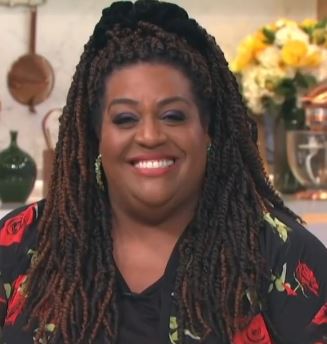
The numbers—the stones, the dress sizes, the side-by-side before-and-after photos for maximum impact—take center stage in most public weight loss stories. Alison Hammond’s story has all of that. What it also has, somewhat unusually, is a person who refuses to be defined by any of it.
The British television presenter, best known for her disarming interview style on This Morning and her warmth as co-host of The Great British Bake Off, has lost somewhere between 11 and 13 stone over the past five years — a figure so large that Reddit commenters pointed out she had lost the equivalent weight of an entire person. It took place gradually, without much fanfare, and without the weight-loss injections that, in the mid-2020s, have practically become synonymous with celebrity makeovers. She responded to that final point right away. “People are going to assume anything,” she told The Daily Telegraph earlier this year. “They weren’t happy with me being big; they weren’t happy with me being small.”
The catalyst, by her own account, was a pre-diabetes diagnosis that landed with particular weight given her family history — her mother had Type 2 diabetes, and Hammond had watched what that struggle looked like up close. “I thought: I have to be an adult about this,” she told Good Housekeeping UK. The sweets had to go. So did the fatty foods she’d leaned on for years. Instead of a dramatic detox or a nutritionist-recommended meal plan, what took their place was something more modest and possibly more long-lasting: a move toward balance, home cooking, and the type of eating that doesn’t require tracking every gram.
Her days now reportedly start with a ginger shot followed by a full English breakfast — eggs, bacon, sausages — which might raise eyebrows among clean-eating advocates but aligns with a higher-protein morning approach that keeps appetite steady through the working day. Lunches when she’s on set tend toward Caribbean food: rice, peas, chicken. Evenings bring home-cooked meals like curried goat or chicken fried rice. It’s not someone punishing themselves with a diet. “I don’t deny myself anything; I eat everything, but in moderation,” she told me. That phrase — moderation — is sometimes dismissed as vague or unsatisfying advice. Hammond seems to have made it genuinely workable, which is harder than it sounds.
The fitness side is where the consistency really shows. Hammond works with multiple personal trainers and has spoken about incorporating strength training, boxing, circuit classes, and Reformer Pilates into her weekly routine, favouring 30- to 45-minute sessions over gruelling marathon workouts. Strength training, fitness experts note, is particularly effective for body composition changes over time — building lean muscle that raises the metabolic rate even at rest. This may be more responsible for the extent of her transformation than any one dietary adjustment. She was unable to find anything that worked. She found several, and kept doing them.
What’s striking about Hammond’s account is how clearly she resists the triumphalist version of the story. When questioned about Ozempic rumors in April 2026, she gave a typical depressing response: “I’m still overweight! I’m a size 20!” There’s a kind of honesty in that which most celebrity health narratives carefully avoid. She didn’t emerge transformed into a different person with a different life. She is still, in her own opinion, a work in progress, but she has more energy, sleeps better, and is no longer in danger of receiving a diabetes diagnosis. “I literally needed to be able to walk up the stairs,” she told me. Starting from that point, and arriving where she has, over five years of consistent effort rather than a dramatic intervention, is arguably more instructive than any before-and-after photograph suggests.
It’s hard not to notice that her story lands differently in the current cultural moment, when GLP-1 medications have made dramatic weight loss faster and more accessible for those who can afford them. Hammond hasn’t condemned that route — she’s been careful and measured about it — but her decision to pursue a natural path and speak openly about it carries its own quiet weight. Whether her approach would work the same way for someone else is genuinely unclear; bodies differ, circumstances differ, and five years is a long time to sustain anything. But the shape of what she did — real food, consistent movement, a medical reason to take it seriously — is less mysterious than the headlines tend to make it look.
