

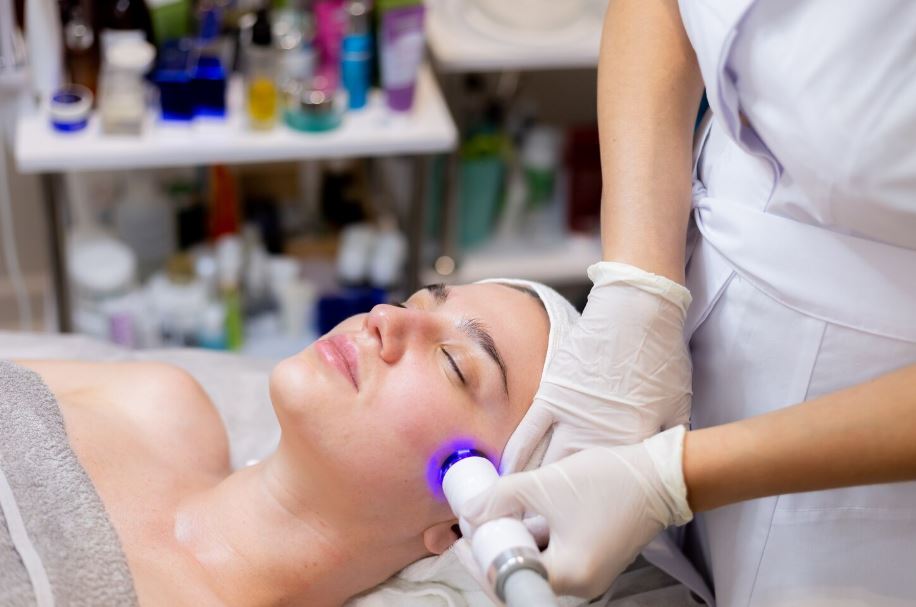
There’s a certain vibe in the waiting area before a Saturday wedding season appointment. The buzzing of phones. Clothes bags slung across chairs. A whisper about seating charts was heard. Additionally, more and more people are saying, “I scheduled my HydraFacial yesterday.”
The guarantee is straightforward: enter dreary, exit radiant. Don’t peel. Not red. No downtime. Simple Glow. Is that glow real, though, or is it just the aesthetic equivalent of well-lit restaurants?
| Category | Details |
|---|---|
| Treatment Name | HydraFacial |
| Manufacturer | HydraFacial (Edge Systems LLC) |
| Treatments Per Year | 3.5+ million globally |
| Procedure Time | 30–45 minutes |
| Downtime | None |
| Average Cost | Approx. $150–$300 per session |
| Suitable For | Most skin types (excluding active rashes or severe rosacea) |
| Official Website | https://www.hydrafacial.com |
The HydraFacial has evolved into a sort of pre-event custom. Ahead of weddings, award shows, and business galas, dermatology clinics in London, New York, and Los Angeles report completely booked calendars. Within less than an hour, the sleek machine, which has a whirring vortex tip, cleanses, exfoliates, extracts, and infuses serums. With cautious optimism, patients frequently examine their reflection as they exit the treatment bed.
The mechanism makes sense from a factual standpoint. The appearance of dull, exhausted skin is caused by the uneven scattering of light by dead skin cells. The surface is instantly smoothed when they are removed. Meanwhile, hyaluronic acid-rich serums are pushed into recently exfoliated skin to plump up fine lines for a short while. What people refer to as “glass skin” might just be more evenly reflected light from hydrated skin. No magic. Physics.
Skepticism persists, though.
Any treatment that promises instant radiance seems suspiciously like marketing, according to some people. The biology of the skin doesn’t change overnight, after all. Weeks are needed for collagen remodeling. It takes time for acne to heal. How, then, does this one produce noticeable outcomes in just thirty minutes?
Part of that question can be answered by observing a session in progress. Clients examine the so-called “gunk jar,” a clear chamber that collects debris as the suction tip moves across their cheeks, with morbid fascination. removal without squeezing. Drinking water without feeling heavy. Freshly exfoliated and infused skin has a dewy appearance that is hard to replicate.
But lighting is important. Bright overhead panels are common in clinic spaces. The glow is still there when you step outside in the daylight, albeit maybe less pronounced. It isn’t a facelift, but it’s also not a filter.
It’s telling that one to three days before an event is the recommended timing. Hydration peaks right after treatment. Pores seem tighter and fine lines become slightly softer. Subtly, makeup artists like using this type of canvas for their work. Instead of clinging, the foundation glides. Under a camera lens, the texture difference is difficult to miss.
Dermatologists agree that short-term radiance is definitely possible, but long-term structural change necessitates consistency. Light reflection is improved by removing the dead cell layer on the outside. Antioxidants increase hydration. Neither is irreversible. The majority of patients say the glow lasts for a week or possibly two, depending on their lifestyle. Champagne and late nights can reduce that window.
Cultural changes are also reflected in the treatment’s popularity. The world we live in is photographed. Livestreaming is used for engagement parties. Corporate honors are posted immediately. Non-invasive procedures are becoming more commonplace in beauty routines due to the increased pressure to look “camera-ready.” This environment is well-suited for HydraFacial because it is effective, reliable, and safe for the majority of skin types.
Whether the glow creates long-term resilience or merely repeatedly resets the surface is still unknown. According to studies on comparable hydradermabrasion methods, there is no significant structural change following a single treatment, but there is increased hydration and gradual improvements in skin thickness. which is logical. Skin is unyielding.
There are also pragmatic factors to take into account. Exfoliation can exacerbate rashes or active rosacea. During pregnancy, salicylic acid components are not always recommended. Reputable providers check for this and modify boosters as necessary. While the basic process is still exfoliate, extract, and hydrate, the customization element—brightening, calming, and firming—creates the appearance of personalization.
Something about our shared need for immediacy is revealed by observing this trend over the last ten years. Even when we’re not, we want to appear rested. Without downtime, we want luminosity. The promise of HydraFacial is polish, not youth. That difference is important.
A recent afternoon in a London clinic saw a soon-to-be bride emerge from her appointment with her cheeks flushed but still slightly pink. She cocked her head slightly to examine her image in the hallway mirror. “All right,” she muttered, almost startled. Not euphoric. Not changed. Just content.
That might be the true response.
Although it helps, the glow isn’t a lighting trick. It is the obvious outcome of skin that has been exfoliated, holding water better. Short-term, Concrete, and Predictable. That modest honesty may be the reason for its enduring popularity in a beauty industry full of overpromises.
Will it take the place of more extensive resurfacing procedures? No. Will years be erased? Of course not. However, it is sufficient for the person standing beneath reception lights, wearing a steaming dress in the corner, and hoping to appear alert and radiant in pictures that will be preserved for decades.
And occasionally, people are paying for just enough.
