

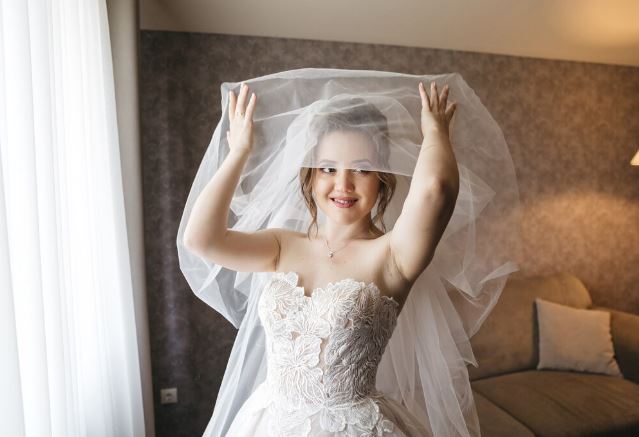
Dermatologists and employees of laser clinics around the nation are familiar with a certain moment. A bride asks if she can finish a full course of laser hair removal in time because her wedding is six or eight weeks away. Almost invariably, the response is something along the lines of “not really, no.” The explanation that follows, which includes sessions spaced weeks apart, hair growth cycles that are unresponsive to deadlines, and skin that requires time to settle, usually elicits the same mixture of astonishment and mild annoyance. No one informed her. Or rather, no one informed her promptly.
Compared to a few years ago, that conversation is less common now. Clinic booking patterns are the best indication that something has changed in the way brides approach their beauty preparation. Consultations are increasingly taking place nine, twelve, or even eighteen months prior to the wedding date rather than the month before, according to aesthetic practices that specialize in bridal packages. A more organized and, to be honest, more sensible approach is replacing the previous one, which was based on a flurry of appointments in the final weeks. Laser hair removal is starting to be treated by brides in the same manner as venue reservations. You don’t expect your first choice to be available when you call the venue eight weeks in advance. Here, the same reasoning holds true, but for biological rather than logistical reasons.
| Detail | Information |
|---|---|
| Topic | Bridal laser hair removal — timing, planning, and results |
| Ideal Start Time | 9 to 12 months before the wedding |
| Sessions Required | 6–8 sessions for full course |
| Session Spacing | Every 4–6 weeks (targeting anagen/active growth phase) |
| Total Timeline | 8–12 months for complete treatment |
| Best Season to Start | Autumn or winter (reduced sun sensitivity risk) |
| Areas Commonly Treated | Legs, underarms, bikini line, face (peach fuzz) |
| Key Advantage Over Waxing | No ingrown hairs, no razor burn, no last-minute appointments |
| Final Session Timing | 2 weeks before wedding (allows skin to fully settle) |
| Additional Benefit | Honeymoon-ready smoothness without grooming stress |
| Reference | 6–8 sessions for the full course |
The timing is surprising to those who have never seen it before, but the science behind it is rather simple. When the hair is in the anagen stage, or active growth phase, laser hair removal targets the melanin in the hair follicle. Because only a portion of the body’s hair follicles are in that phase at any given time, multiple sessions are required to remove all of the hair. Six to eight treatments are usually needed for a full course. This calculation yields a timeline of 8 to 12 months, spaced 4 to 6 weeks apart to capture subsequent rounds of anagen growth. There is not enough time to complete the task if you begin six weeks prior to the wedding. It does start a new year.
Additionally, there is the issue of skin condition on the actual day, which is where the difference in preparation between knowledgeable and ignorant brides is most apparent. Months before the wedding, skin that has finished a full laser course has had time to completely settle; there is no longer any redness, no sensitivity, and no stubble patches from follicles that didn’t fully respond during the last session. Recently, laser-treated skin may still be slightly irritated, responding to the procedure rather than exhibiting its effects. Subtle differences tend to matter in a day when the camera is practically never put down. The difference in photographs is real but subtle.
Additionally, a strategic window that late starters completely miss is opened by starting early. For laser treatments, autumn and winter are actually better because the skin is less exposed to the sun, which reduces the likelihood of pigmentation changes following treatment. Since treated skin is more susceptible to UV rays, the most vulnerable time has already passed well before summer arrives if the course is completed during the colder months. The advantage of ideal seasonal timing is practically free for a bride who schedules her initial consultation in September or October with a June wedding in mind. She’s just being well-organized. Starting in April and aiming for the same June date, a bride misses that window and spends the rest of her sessions controlling sun exposure on top of all the other demands of her schedule.
It’s also important to take the emotional calculus into account. It’s difficult to fully predict how exhausting wedding week will be until you’re actually through it. The last thing anyone needs in that window is a painful waxing appointment, the lingering anxiety of razor burns on legs that will be photographed, or the mental burden of wondering whether a skin reaction from a rushed treatment will have subsided by Saturday. This includes final fittings, family arrivals, logistics that collapse at the last minute, and need to be rebuilt from scratch. Simply put, brides who completed their laser course months ago don’t worry about that specific issue. Another version of this argument is the honeymoon, with its swimwear and comparatively lacking grooming infrastructure. After treatment is finished, smooth skin doesn’t need to be maintained. It simply is.
The general trend toward earlier planning may be a reflection of a more significant change in the way decisions about wellness and beauty are made in general. The culture that has people creating 12-month skincare regimens and considering collagen before they have noticeable lines appears to be naturally expanding into bridal preparation as skincare becomes a true long-term practice rather than a reaction to special occasions. For most people, their wedding day is the most photographed day of their lives. It seems less like vanity and more like common sense to approach it with the same consideration that is typically saved for the dress and the flowers.
A first consultation should be scheduled at least a year in advance, according to clinics that specialize in bridal packages. The first session can start right away. In order to give the skin enough time to settle without creating a gap big enough for noticeable regrowth, the last touch-up usually takes place two weeks before the wedding. A tiny, built-in buffer against the unpredictability that often characterizes the last phase of wedding planning, when nearly nothing goes according to plan, is that two-week buffer at the end.
After that, brides who begin early may not give it much thought. In a sense, that’s the whole point.
