

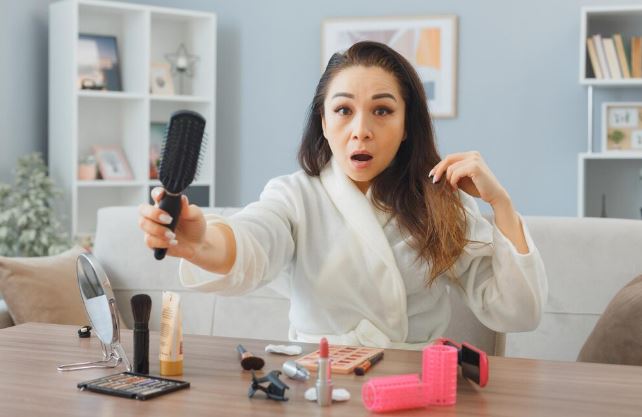
A ring light creates a certain kind of assurance. It smoothes the shadows, flattens the face, and—this is the important part—gives the impression that the person behind it is an expert. Thousands of skincare TikToks are shot in the same light by people with the same confident expression, advising viewers to try at-home chemical peels using formulas taken from Amazon, rub cinnamon into their pores, or apply lemon juice to their faces. Millions of people watch the videos. A small portion of that goes to the dermatologists who record reactions in much worse lighting and explain why these things result in burns.
The issue with skincare on TikTok is more related to how authority is established on the platform than it is to malicious intent. A person appears credible when they record their routine in a well-lit bathroom, with clear skin and a confident delivery. The video that does well is rewarded by the algorithm, not the right one. When a board-certified dermatologist points out that lemon juice has a pH of about 2, which is far too acidic for skin and can result in photochemical burns, they are working against a format that prioritizes confidence over accuracy. As a result, truly dangerous advice spreads more quickly than the correction, and thousands of bathroom cabinets have already been affected by the trend by the time a professional response appears.
The specificity of some of the content that is promoted is concerning. In 2024, sunscreen contouring—applying SPF to specific parts of the face to produce a tanned, contoured effect—became a prominent trend. Dermatologists were clear about it: any UV exposure to unprotected skin raises the risk of skin cancer and sun damage, and there is no aesthetic benefit to that. Despite the obvious risk of hiding a potentially cancerous lesion behind amateur interference, DIY mole removal videos have resurfaced. Some creators have viewed homemade sunscreen recipes as a weekend craft project, even though they are regulated as drugs and must undergo clinical testing before being used. Ginger King, a cosmetic chemist, has been straightforward: you run the risk of literally getting burned if you don’t do the right lab formulation and testing.
The analysis of the most well-liked skincare content on the platform reveals a more subdued but no less alarming tale. According to a Fresha analysis of 100 popular skincare TikToks, 60% of creators physically pulled at their skin while applying products, which irritates the skin and decreases absorption. Over half were either layering products incorrectly or omitting steps. Twenty-two percent did not use SPF at all in their morning routines. These are not DIY catastrophes or dramatic burns. These are the tiny cumulative mistakes that, when replicated millions of times in millions of restrooms, subtly harm skin over several months.
And yet. Even if it was done unintentionally, TikTok has accomplished something worth praising. The platform has created a generation of people who have enough product literacy to read an ingredient label with some understanding, who know what an AHA is, and who have a general understanding of why salicylic acid works on clogged pores. Although this curiosity existed before TikTok, the platform was able to scale it in a way that no beauty magazine could. Dermatologists would likely approve of the simpler, gentler methods that some people have adopted as a result of the backlash against overly complex multi-step routines, which is a TikTok phenomenon in and of itself. Despite all of its noise, the discussion has brought skincare into everyday life in a somewhat beneficial way.
It’s still unclear if ingredient literacy helps consumers make better decisions when making purchases or if it primarily just gives them more self-assurance when making unnecessary purchases. The skepticism that TikTok has sparked about conventional beauty marketing, including the demand for ingredient transparency and the questioning of “natural” labels, is generally beneficial. However, that skepticism is applied inconsistently. After correctly identifying that a branded moisturizer primarily consists of water and glycerin, a viewer may decide to apply vinegar to their face at home because someone with good lighting reported that it worked. The application of critical thinking is not uniform.
Dermatologists have been saying the same thing for a very long time—long before there was an algorithm. A mild cleanser, an appropriate moisturizer, and daily SPF applied in the right order on skin that hasn’t been abraded by kitchen ingredients or overpowered by seventeen active compounds layered in the wrong order constitute an effective baseline. The temptation to overcomplicate this was not created by TikTok. However, it has provided that temptation with a sizable and powerful platform.
