

A generation that plans a ten-step skincare routine before bed but hasn’t made an appointment for therapy in years is subtly telling. It’s probably not denial either, nor is it laziness. It is more akin to a workaround—a convenient, reasonably priced, and socially acceptable method of taking care of oneself when everything else seems overwhelming.
Cleanser, toner, serum, eye cream, and moisturizer are the steps in the ritual. Occasionally, on a particularly difficult Wednesday, a sheet mask. Every item is thoughtfully arranged on the bathroom shelf, every action is carried out in a precise sequence, and for a short while, work emails, growing to-do lists, and the general feeling of falling behind all stop. It is difficult to ignore how similar that is to what therapy is meant to accomplish.
Although the topic of millennial burnout is not new, it is a recurring one. According to McKinsey research, one in three women report feeling burned out; rates are even higher among women of color. The causes are both structural and cumulative: years of unstable economic conditions, the emotional strain of providing care, the constant attention that social media demands, and the increasing physical damage that long-term stress causes to the body. The skin barrier is disrupted by cortisol. Visible aging is accelerated by inflammation. Scores are kept by the face.
In this context, skincare has evolved beyond cosmetics. It fills a particular psychological niche by providing a quantifiable result in a world that frequently fails to provide one. Your skin genuinely gets better after eight weeks of regular retinol application. The outcomes of a good routine are readable, in contrast to the hazy, slow process of processing anxiety or a challenging conversation with a manager. That has a genuinely calming quality.
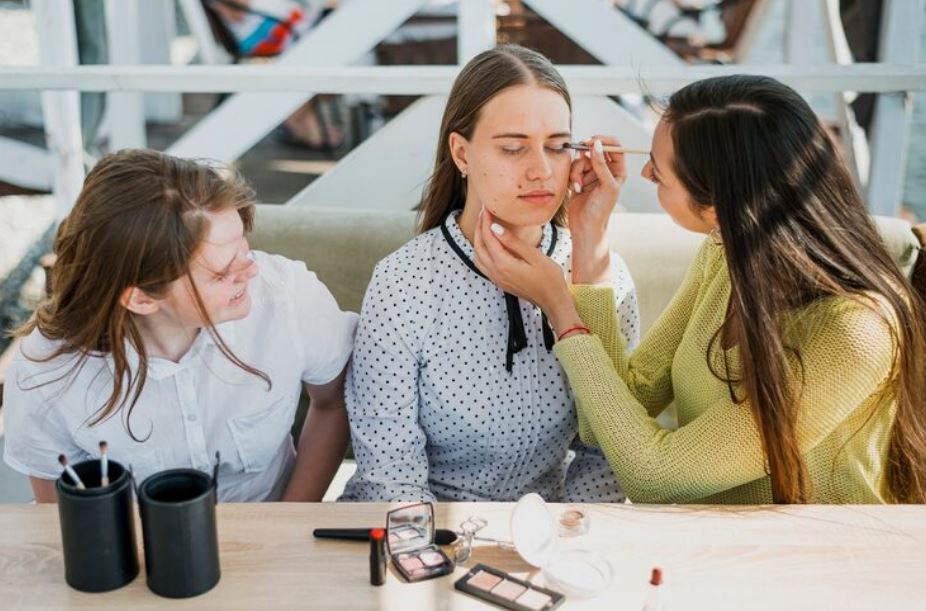
The frame of mindfulness has also gained popularity. Every meditation app essentially promises to engage the senses in a way that draws attention to the present moment—something that layering products occasionally do. The forced physicality of a skincare routine—hands on your face, not on your phone—serves as a rare break for a generation that grew up with digital multitasking. Even though it’s not the same as sitting with a qualified expert and identifying the causes of the fatigue, it is real.
At that point, it becomes worthwhile to name the limits. Clinical anxiety cannot be treated with a vitamin C serum. A hydrating toner doesn’t deal with grief or break the patterns that cause someone to experience burnout repeatedly. In the words of UK-trained doctor and aesthetician Dr. Ewoma Ukeleghe, who herself quit hospital medicine due to burnout, “the soft life, the curated routines, the wellness rituals—they are responsive.” They are a sign of something significant. However, they are unable to completely replace the emotional and structural support that many women still lack regular access to.
This discussion can also take a more awkward turn, focusing on what happens when the routine itself becomes an additional source of stress. Regimens with multiple steps are costly. A mid-range pharmacy’s skincare section can discreetly add up to hundreds of pounds each month. It starts to look less like self-care and more like a new obligation dressed as one when the routine that was meant to help you relax begins to cause anxiety of its own—about whether you are doing it correctly, whether you are using the right ingredients in the right order.
However, there is something real going on here that merits careful consideration. This generation is not being frivolous when they reach for these products. After years of being told to persevere, they are paying attention to their emotions, frequently for the first time. It is important to pay attention. Whether it ends at the bathroom mirror or goes deeper is the question.
Therapy is not a ten-step regimen at ten o’clock at night. However, it could be a person gradually realizing they deserve care. That is not insignificant. It simply isn’t sufficient on its own.
